06. Content Trends (Part 2)
Content Trends
Content has become more interactive. Marketers know that content that involves the audience keeps them more engaged, and since there are an increasing number of ways users can interact with content online, marketers increasingly use interactive content.
1. Quizzes
Quizzes are an increasingly popular form of content. Not only do they engage the audience, they can also provide users with interesting content to share on their social networks. You may have seen some posts from friends on Facebook for instance, with results from a vocabulary or personality test they took, encouraging you to take the same test. But, sites also use quizzes to get engage their audience in relationship to the product they offer.
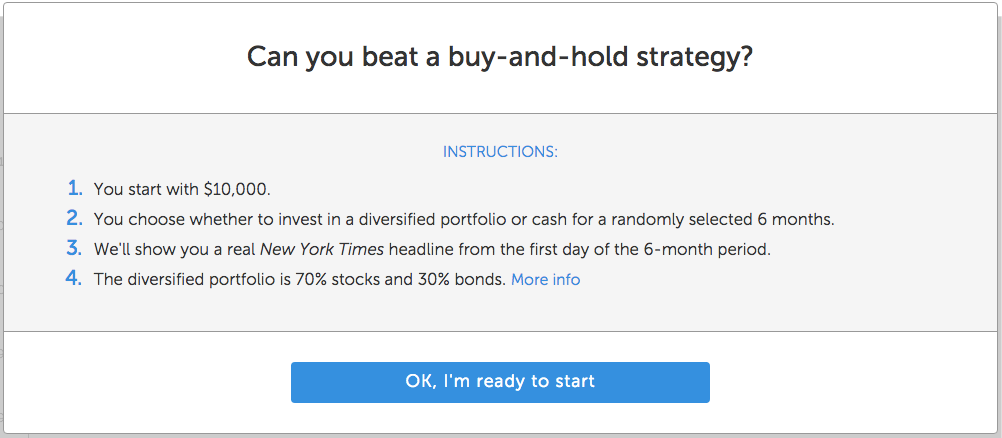
Here is an example of a quiz on Betterment, a personal finance site, allowing users to test their finance and investment knowledge.
2. Clickbait
Clickbait is another content trend you no doubt came across.
Clickbait is content - headlines and/or images - that are provocative and used to get people to click through to a web page.
You may have encountered clickbait headlines like: "You will never believe what this woman did after her fiance proposed to her" or “You won’t believe what happens next”, etc.
Here are a few examples of clickbait:



Clickbait works because it preys on our innate curiosity.
Don’t mislead people!
While sensational headlines garner readers or viewers, if the headlines or images don’t relate to or live up to the actual content, users end up disappointed and wary of similar headlines or content. As a marketer, you should stay away from misleading your audience. It will hurt your brand and your message. You want to attract people who want or need your content, not people hooked but ultimately not interested in what you have to offer.
In fact, Facebook and Google penalize marketers who use headlines that don’t relate to the actual content, filtering their content or lowering the probability that their ads appear.
3. Listicles
As digital content has increased, the attention span of users has decreased. Listicles emerged to help readers get key facts quickly. Listicles are articles presented in the form of a numbered or bullet-pointed list. Listicles are popular because they are easy to peruse and readers feel like they’re able to consume a lot of content in a short period of time.
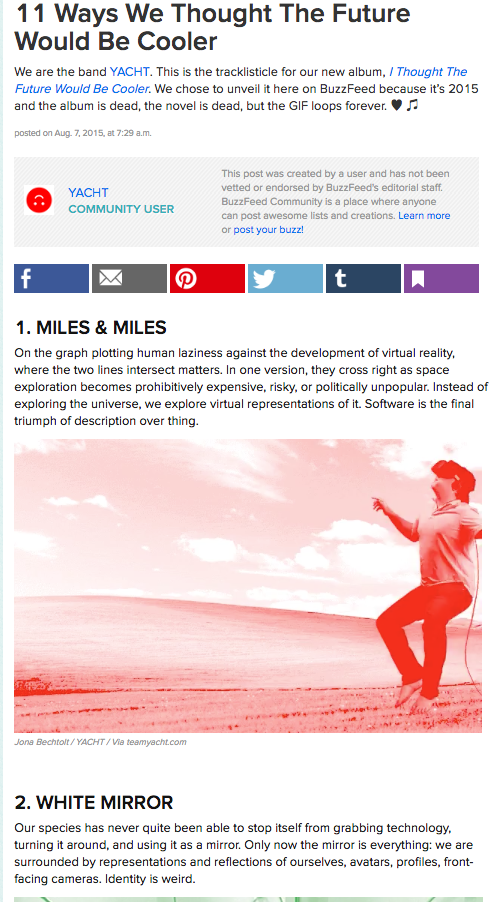
Listicles started out as simple text-based summaries. Buzzfeed arguably took them to the next level by including images and gifs.
Here is an example of a Buzzfeed Listicle:
4. GIFs
GIFs have gained popularity in recent years. You can find them on websites, in listicles, in email messages, etc. A GIF is a series of compressed images that are scrolled through in a loop. The result looks like a tiny video that keeps repeating itself. GIFs are easily shared, and they have the dynamic appeal of a video but they don’t require the user to hit ‘play’. They are also a great way to convey emotions quickly.
Here is an example:
You can create GIFs using tools like e.g. Photoshop, but there are also tools out there that let you search and create GIFs easily without the need for technical or Photoshop skills, like e.g. : Giphy
5. Emoji
Emoji have been around since the late nineties but are now a hugely popular way of communicating primarily via text messaging. With the increased popularity of tools like WeChat, Whatsapp, Facebook Messenger etc., emoji have become embedded in the texting language.
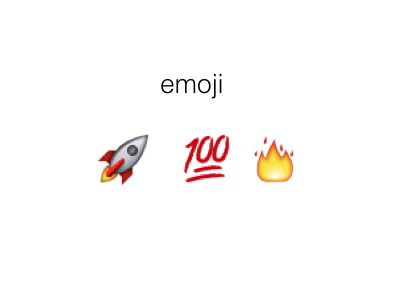
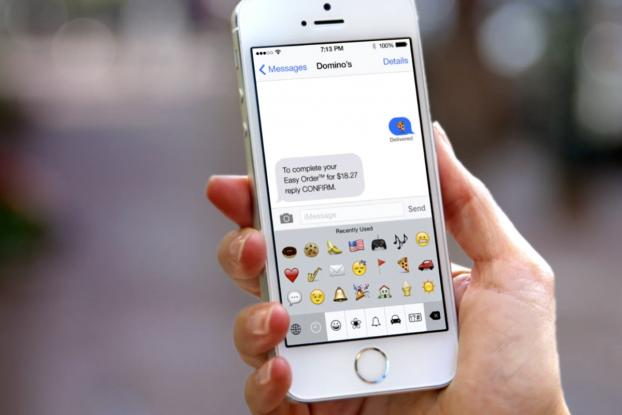
Brands have jumped on this trend. For instance, Domino’s, a popular pizza brand, lets customers order a pizza for delivery by tweeting or texting a single pizza emoji.
6. Podcasts
Podcasts are all the rage and brands have jumped on board.
When you consider that the average podcast is 35 minutes long,much longer than readers usually engage with a single article on a website, podcasts can be an excellent avenue for engagement. Of course, podcasts require a lot of effort to create. But, if you have content that can engage your audience, it may be an interesting medium to consider.
An example of a branded podcast is "Open for Business" a podcast Ebay created together with Gimlet media. Each of the six episodes in the podcast focuses on a different aspect of running or starting a business, appealing to Ebay’s potential customers.
7. Native Advertising
Native advertising is a more recent trend. Native advertising is when you pay for placement of content on a third party site in a format similar to content on the site it is displayed on. It is comparable to ‘advertorials’ in magazines. The idea is that a marketer can blend its ad in the content of a site so that it does not stand out as much as an ad, but is perceived more as part of the content of the site.
Other terms for native advertising are native ad, native content, sponsored content and contextual advertising.
Native ads can be effective. It doesn’t disrupt the user experience and offers helpful information in a format similar to the other content on the site, so users engage with more than they would with, say, a banner ad. But it is important to avoid misleading users, so clarity and prominence of the disclosure is paramount. Users should be alerted to the fact that this content was paid for.
The Interactive Advertising Bureau (IAB), an advertising business organization that focuses on industry standards published guidelines for Native Advertising in its Native Advertising Playbook.
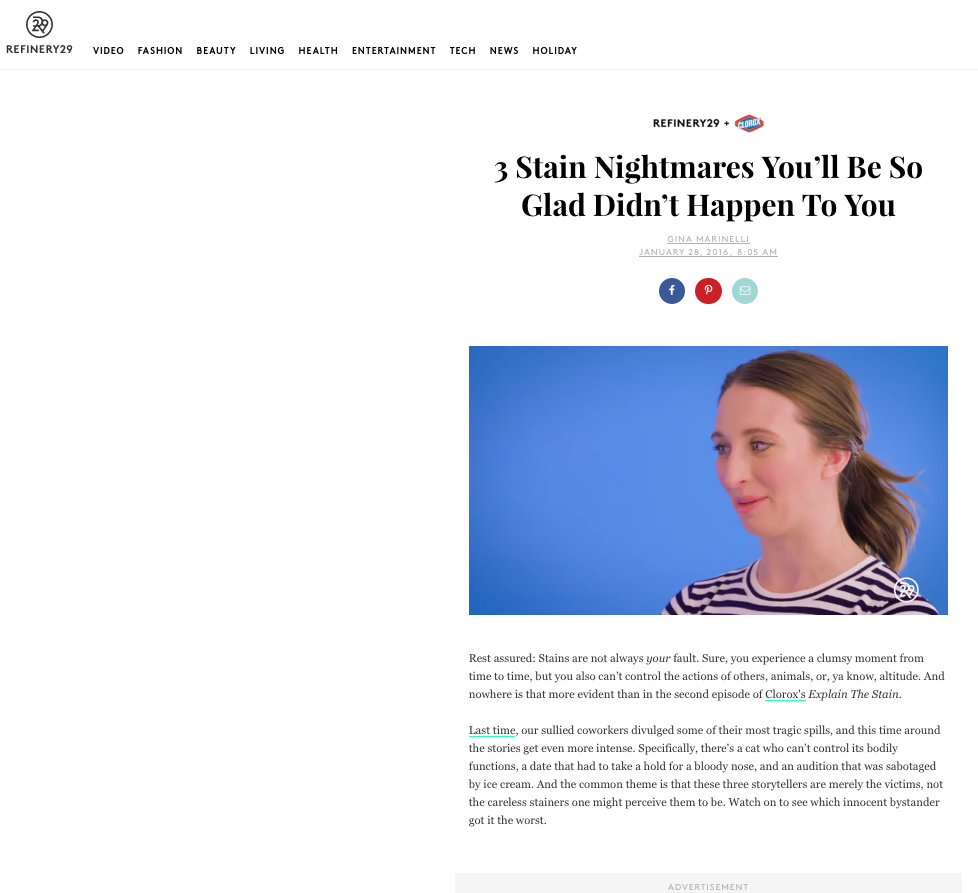
Here is an example of a native ad from Clorox on the Refinery29 website. This content is sponsored by Clorox, yet, it takes on the form of a regular article on the site.
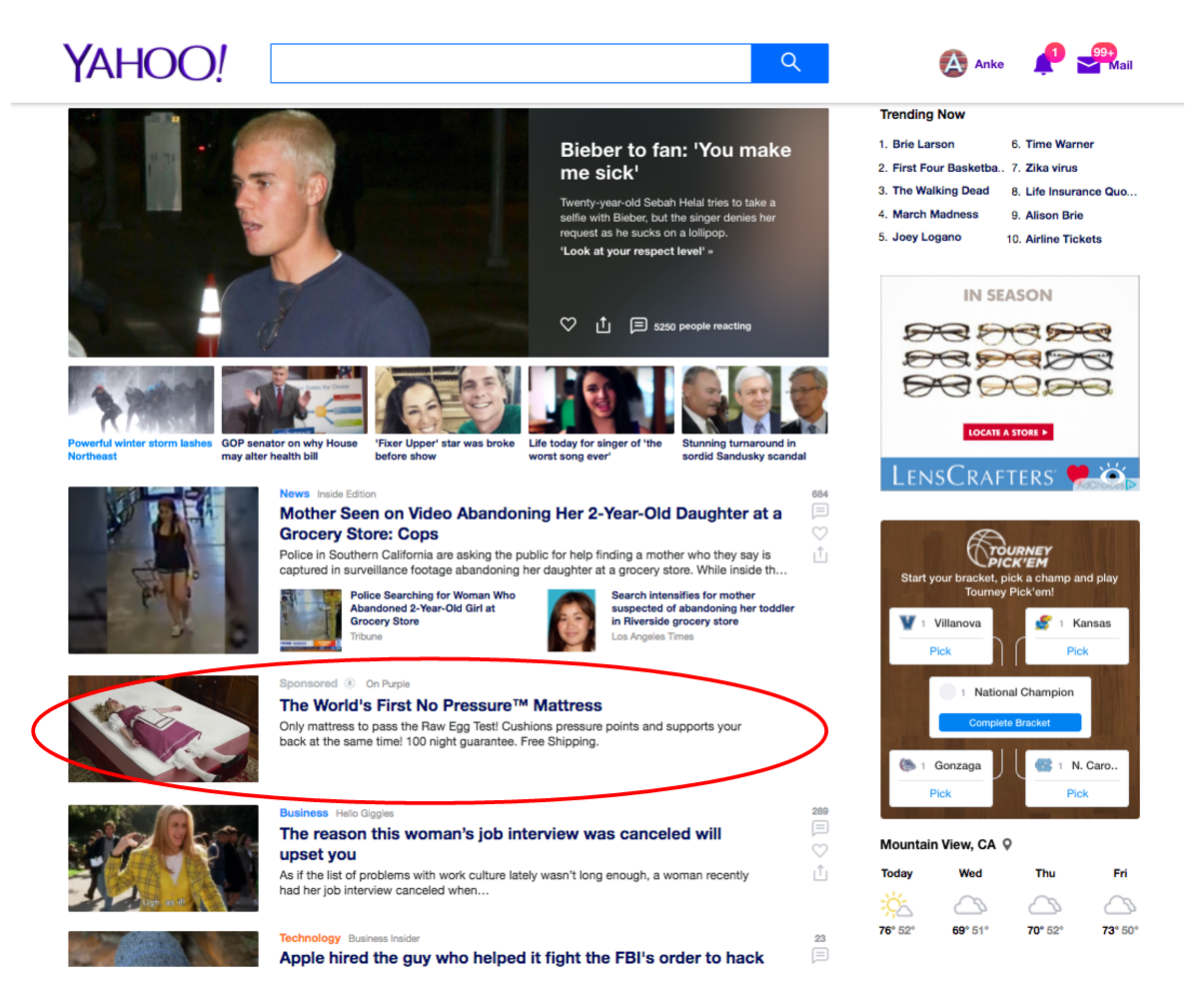
You will also find several native ads on the Yahoo! Homepage (typically identified as ‘sponsored’), like in the example below: